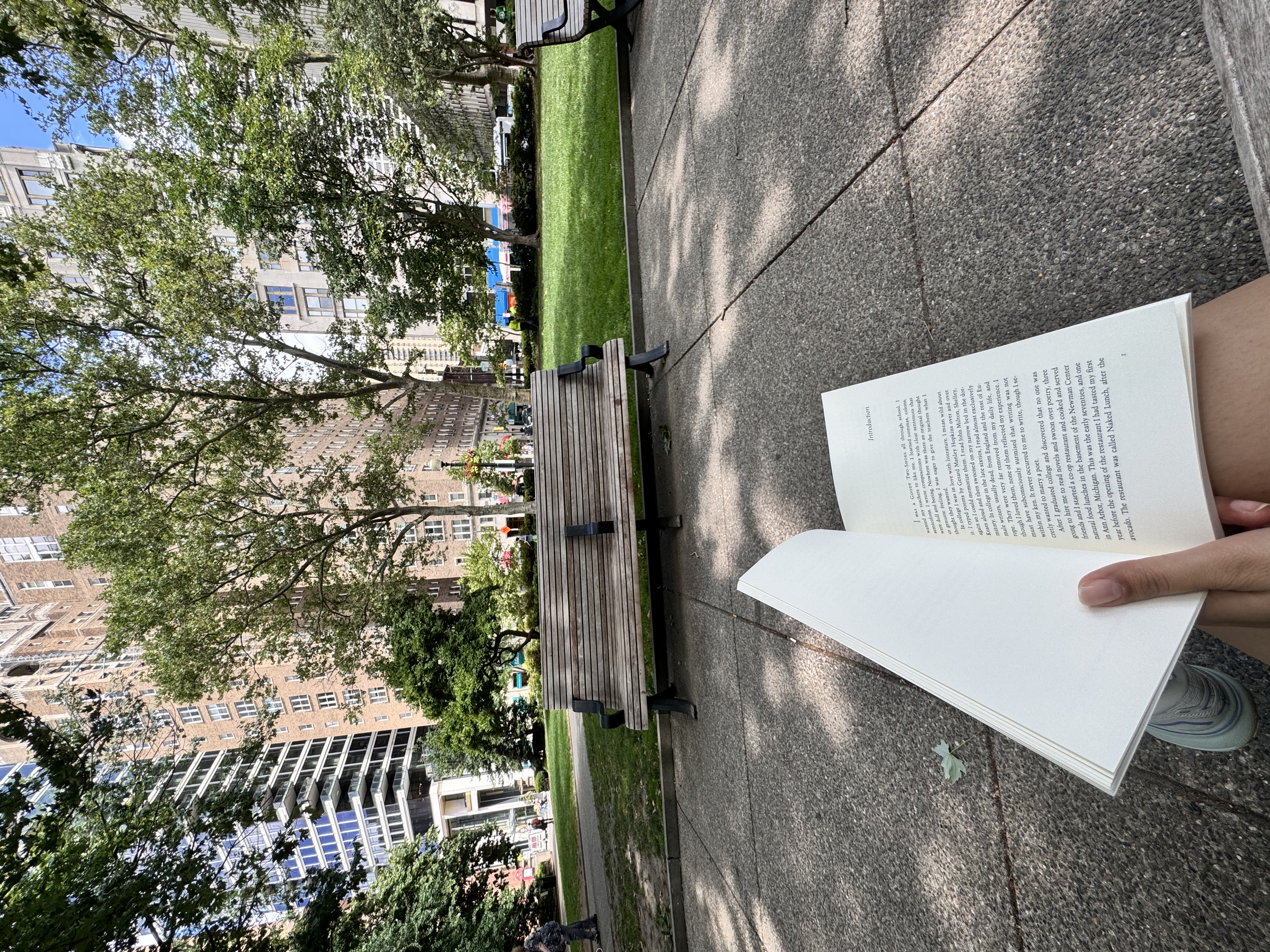
Ask any sales leader for a reading list and you'll get the same five titles. Good books, every one. But if everyone on the floor has read them, they stop being an edge.
I spend my days figuring out what separates good salespeople from great ones. Here's what keeps coming up: the gap is rarely technique. It's how well you understand the person across the table, and how well you hold yourself together when the deal goes sideways.
So this isn't another list of closing tricks. Think of it as three shelves: the craft, the buyer's brain, and the nerve. Most reps only ever read from the first. The best ones read from all three.
Shelf 1: The Craft
These are the fundamentals. Skip them and everything else is decoration.
SPIN Selling by Neil Rackham. Nearly 40 years old and built on research into 35,000 sales calls. Its big finding still stings: in complex deals, the reps who ask better questions beat the reps with better pitches. Every discovery framework you've heard of borrows from this one.
Gap Selling by Keenan. Selling, it argues, is finding the gap between where your buyer is and where they want to be. Nothing more. It's blunt, occasionally profane, and the fastest cure for the feature dump.
The Mom Test by Rob Fitzpatrick. Written for founders, secretly the best book on discovery ever published. Its premise: people will lie to be nice, so ask questions they can't lie to you about. You'll never ask "would you use this?" again.
Fanatical Prospecting by Jeb Blount. The least glamorous book on this list, and maybe the most important. More sales careers die from an empty pipeline than from a botched close. Blount has no patience for excuses, and neither should you.
The Qualified Sales Leader by John McMahon. Hard-won lessons on qualification from someone who ran sales at five public companies. Read it before you get promoted, not after.
Shelf 2: The Buyer's Brain
Buyers aren't spreadsheets. They're anxious, distracted humans trying not to make a career-ending mistake. These books explain what's actually happening on the other side of the call.
Influence by Robert Cialdini. The foundation. Reciprocity, social proof, scarcity, commitment. Read it to use these principles well, and to notice when they're being used on you.
The JOLT Effect by Matt Dixon and Ted McKenna. Built on millions of recorded sales calls, it lands one uncomfortable truth: most deals aren't lost to a competitor. They're lost to a buyer who simply can't decide. If "let me think about it" haunts your pipeline, start here.
Never Split the Difference by Chris Voss. A former FBI hostage negotiator on tactical empathy. Mirroring, labeling, and asking "how am I supposed to do that?" will unstick more deals than any discount.
Supercommunicators by Charles Duhigg. Every conversation, Duhigg argues, is really one of three: practical, emotional, or social. Answer an emotional question with a practical one and you've lost the room, even if your answer was right.
The Culture Map by Erin Meyer. Non-negotiable if you sell across borders. Why "that's interesting" can mean "no" in London, why silence means something different in Tokyo, and why the same email can read as polite in one country and rude in another.
Shelf 3: The Nerve
Here's where it gets interesting. None of these are sales books. All of them will make you better at sales. Sales is a performance, played in front of strangers, with rejection built into the script. These books train the performer.
Impro by Keith Johnstone. A 1970s book about improv theatre. Its chapter on status is the single most useful thing a salesperson can read. It explains, almost uncomfortably well, why some reps own the room within seconds and others get steamrolled by a junior procurement manager.
Rejection Proof by Jia Jiang. Jiang set out to get rejected on purpose for 100 days straight, including asking a stranger for a "burger refill." It's funny, it's brave, and it's the cheapest therapy for call reluctance you'll ever find.
The Inner Game of Tennis by Timothy Gallwey. Nominally about tennis. Actually about the voice in your head that tightens up right before the big serve. Swap "serve" for "cold call" and it's all there.
Thinking in Bets by Annie Duke. A professional poker player on the difference between a good decision and a good outcome. You can run a deal perfectly and still lose it. Learn the wrong lesson and you'll repeat it for years. It'll also make your forecasts honest.
On Writing Well by William Zinsser. Half of modern selling is written: cold emails, follow-ups, LinkedIn notes, the Slack message to your champion. Zinsser will do more for your reply rate than any template pack on the internet.
Shoe Dog by Phil Knight. Nike began with a man selling running shoes out of the trunk of his car. It's the best story ever told about selling something you genuinely believe in, and the grit it takes when nobody else does yet.
Don't Read All 16
Seriously. A reading list is like a gym. You don't train every muscle on day one. You train the one that's holding you back.
Can't book meetings? Fanatical Prospecting, then Rejection Proof.
Deals stall at the finish line? The JOLT Effect, then Never Split the Difference.
Great on calls, invisible over email? On Writing Well.
Freezing up in front of senior buyers? Impro, then The Inner Game of Tennis.
Just got promoted? The Qualified Sales Leader, then Thinking in Bets.
Pick one. Finish it. Try one idea from it on your next call. That's worth more than a shelf full of books you've skimmed.
And if you've read something that belongs on the third shelf, tell me. That's the list I'm always trying to grow.